
The Person Behind the Work
Henry Klevor
Techpreneur. Brand Strategist. Software Engineer. The full story — where it started, how it shifted, and what drives it now.
Chapter 01
The Origin
Where It Began
I grew up at the intersection of two worlds: the visual and the structural. Before I knew what brand strategy was, I was already obsessed with why some things felt trustworthy and others felt hollow — why a logo made someone lean in or look away, why a headline either stopped you or slid past you.
That obsession became a discipline. I trained in graphic design and visual communication, not because I wanted to make things look good, but because I understood early that aesthetics are the surface layer of something deeper — a system of meaning.
The First System
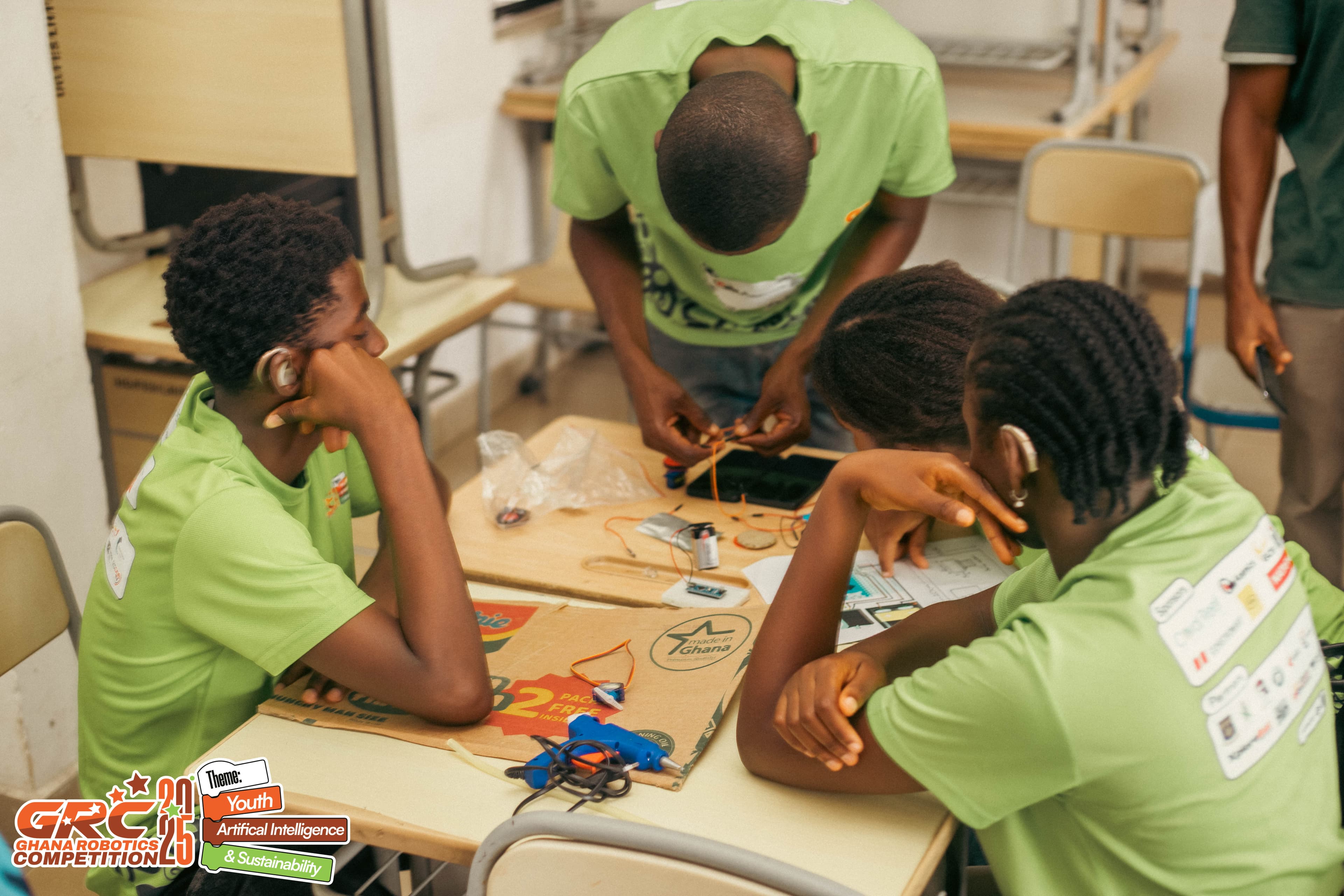
My first real professional context was agriculture. Working with smallholder farming communities in Ghana exposed me to the structural injustice baked into food systems — farmers who grow the food own the least of the value it creates. That pattern stayed with me. It was my first encounter with a problem that design alone could not solve.
Chapter 02
The Pivot
Into Engineering
The pivot into software engineering was not a career change — it was a tool acquisition. I had hit the ceiling of what I could build with brand strategy alone. The problems I cared about required systems: platforms, pipelines, data infrastructure. So I learned to build them.
What surprised me was how similar the disciplines are at their core. Both engineering and brand strategy are fundamentally about designing systems under constraints, for human beings, with compounding effects over time. The vocabulary differs. The thinking does not.
Founding
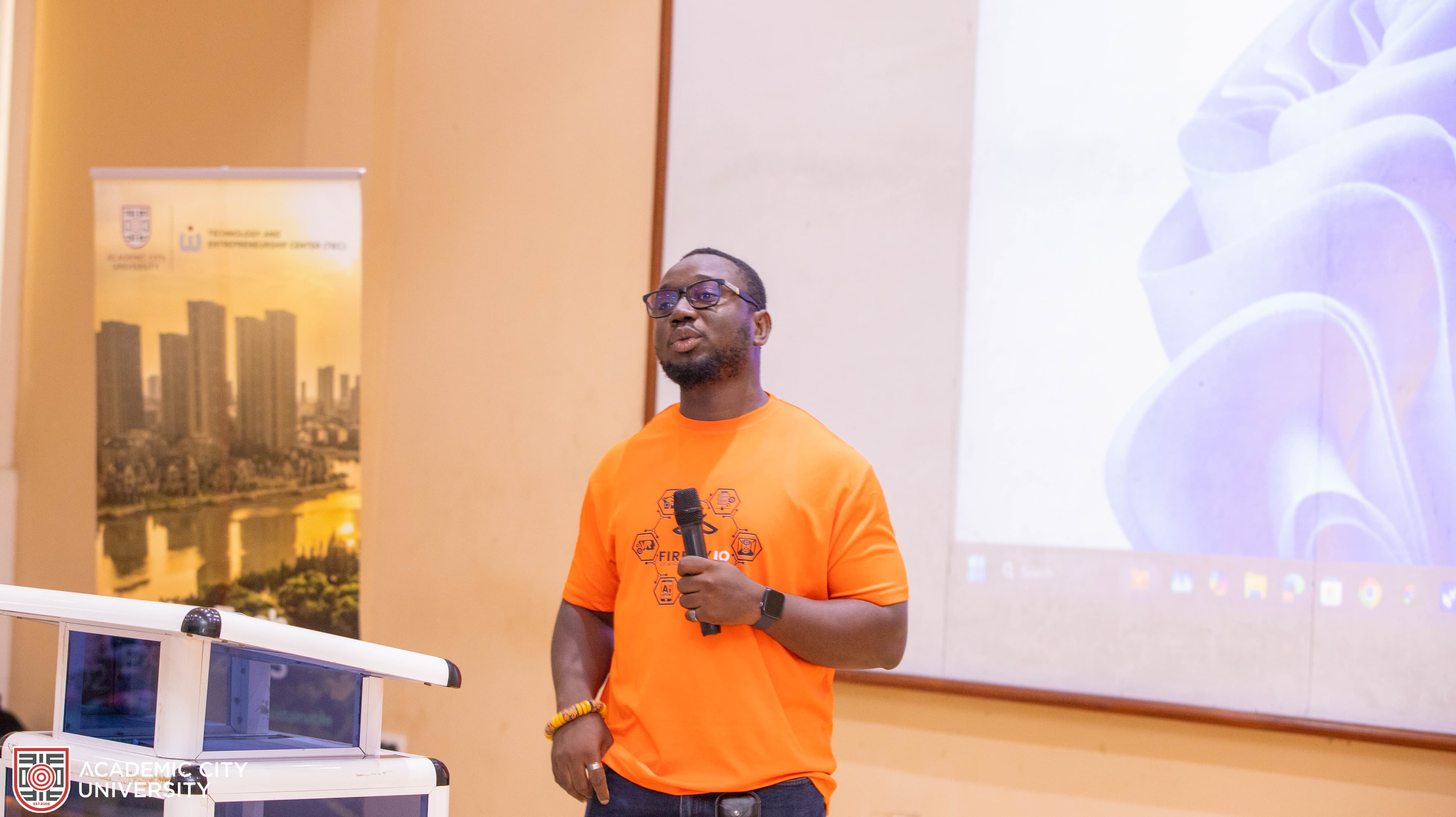
I founded a startup and an NGO in the same period — deliberately. The startup tested my ability to turn insight into product; the NGO tested my ability to operate without profit as a proxy for value. Both were formative in ways that no job could have replicated. Both failed in instructive ways. Both taught me what I actually believe about how organisations should be built.
Chapter 03
The Synthesis
ARCITE
The ARCITE framework was not invented — it was discovered. After years of working across agriculture, brand, climate, technology, and education, I noticed that the most important problems in any of these domains always required fluency in at least two others. Isolated expertise was not enough.
ARCITE is the formalisation of that observation. It is the operating system through which I now analyse every problem I take on — ensuring that whatever I build is evaluated not just for technical performance, but for brand coherence, environmental consequence, educational transferability, and measurable impact.
Now
Today I work as an independent technologist and strategist — taking on engagements that sit at the intersection of at least two ARCITE pillars. I build software, design brand systems, consult on agri-tech and climate strategy, and design learning experiences that transfer capability rather than just information.
Every engagement I take on is chosen deliberately. Not every client is a fit. The ones that are tend to be building something that matters — and need a partner who can think across disciplines without losing precision in any of them.
The Gears
Technical
Toolbox
The technical instruments — software, frameworks, and methods I deploy on engagements.
23 tools
Human
SoftBox
How I think, communicate, and operate across disciplines and cultures.
12 skills
What Happens Next
If the thinking resonates, the work will too.
I take on a small number of engagements at a time, chosen for alignment with the ARCITE framework. If you are building something that sits at the intersection of two or more pillars, let’s talk.